Top Devices for Efficient Employee Time Tracking
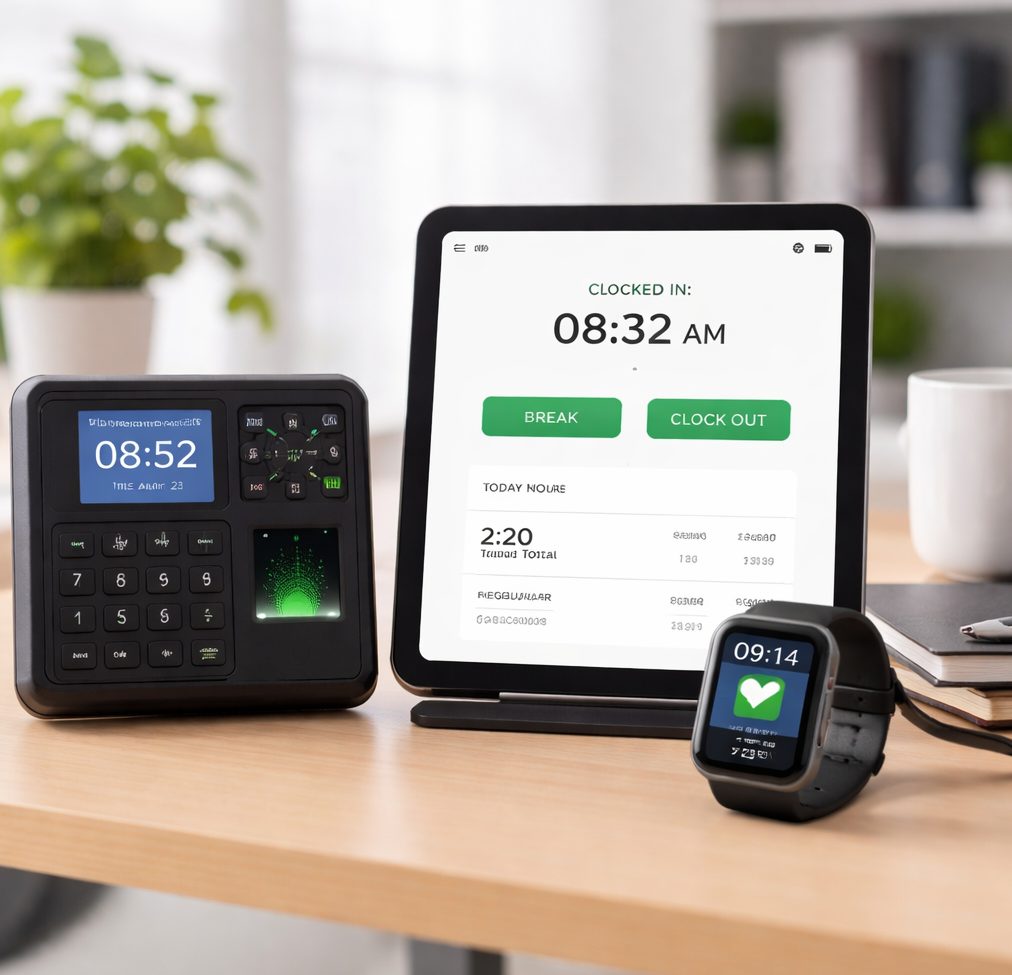
Tracking employee work hours has become an integral part of modern workforce management. Efficient systems not only help in maintaining transparency but also enhance productivity. Let’s dive into some of the top devices that are leading the way in employee time tracking.
First off, there’s the classic time clock systems. These devices have evolved significantly from the punch card systems of the past. Today’s versions often come equipped with digital interfaces that can integrate seamlessly with payroll systems. They offer a straightforward solution for businesses that require a reliable method of recording hourly work.
Then, there’s the option of biometric time clocks. These devices utilize fingerprint, facial recognition, or even iris scans to verify employee identities. The primary advantage here is the prevention of “buddy punching,” where one employee clocks in for another. This not only ensures accuracy but also adds an extra layer of security to the time-tracking process.
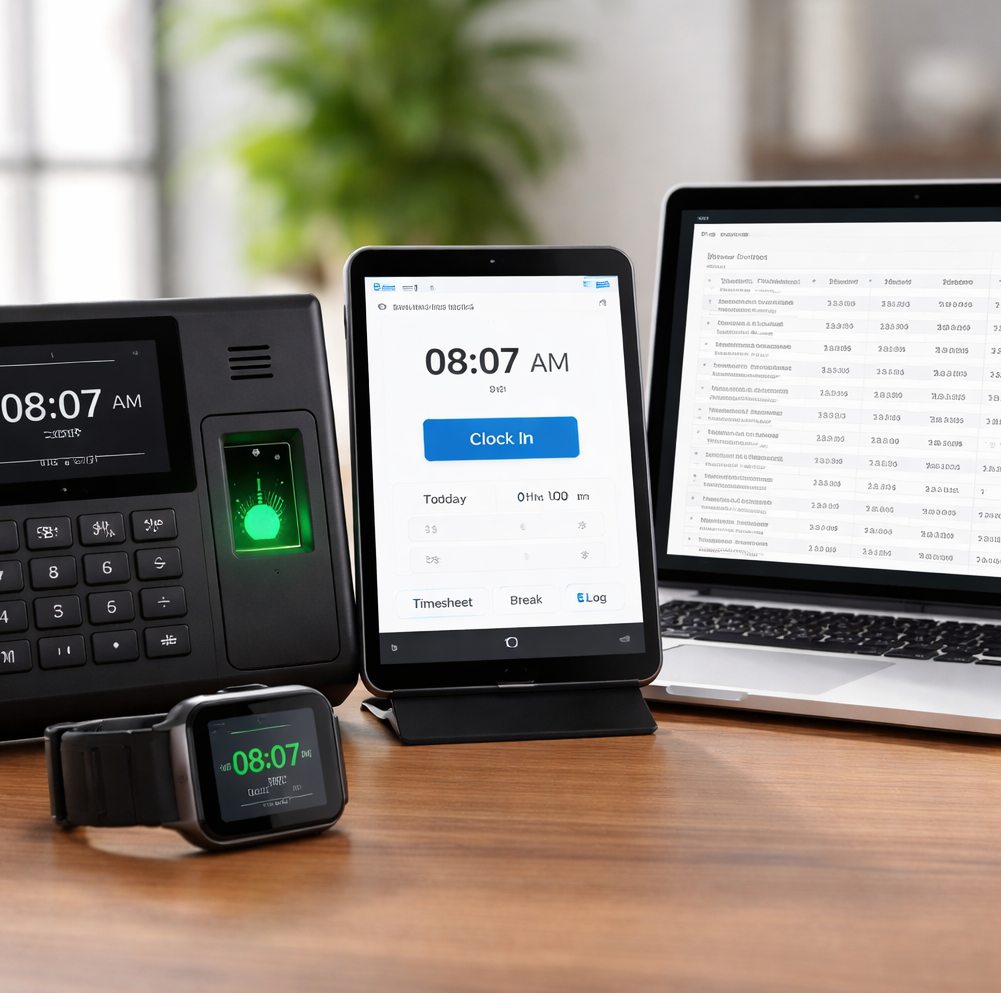
For companies looking to embrace a more flexible approach, mobile apps can be particularly effective. Many of these apps offer GPS tracking to verify that employees are working from the correct location. This is especially useful for businesses with remote workers or those with employees frequently on the move. Such apps can also be integrated with other HR and management systems, ensuring all data is centralized and easy to access.
We should also consider desktop time tracking software, which is ideal for businesses where employees spend most of their time on computers. These programs typically run in the background and allow employees to clock in and out with a simple click. Moreover, they often provide detailed reports on how much time is spent on various tasks or projects, offering invaluable insights for managers.
Another interesting development is the use of smartwatches for time tracking. With the rise of wearables, these devices offer convenience and portability. Employees can easily log their hours directly from their wrist, and some models come with features that track productivity levels throughout the day.
There are even integrated systems that offer a combination of these technologies. For instance, a company might use biometric systems at the office entrance, mobile apps for remote work, and desktop software for detailed analytics. Such a combination ensures comprehensive coverage, catering to diverse work environments and employee needs.
The choice of device largely depends on factors such as company size, budget, and specific requirements. A small startup may opt for a simple mobile app, while a large corporation with multiple branches might require a more robust system with biometric verification and centralized data management.
When adopting any of these devices, it’s essential to ensure that the system is user-friendly and that employees are adequately trained. This minimizes errors and boosts compliance, making the time-tracking process as seamless as possible. Additionally, companies should be aware of privacy concerns and ensure that data collected is secure and used ethically.
In conclusion, the landscape of employee time tracking is diverse and rapidly advancing. With options ranging from traditional systems to cutting-edge technology, businesses have a wealth of tools at their disposal. The key is to choose a solution that aligns with their operational needs and enhances overall efficiency. With the right device, organizations can not only streamline their processes but also foster a more productive workplace environment.