Exploring the Fascinating World of Clocks and Timepieces
The Entrance Hall
Walking into the entrance hall, visitors are greeted by a massive grandfather clock, its deep chimes resonating through the room. This heraldic timekeeper sets the tone for what lies ahead — a masterful collection that spans centuries. Curators have meticulously curated the space, ensuring that each piece is showcased in its full glory. The atmosphere is both serene and intellectually stimulating, inviting visitors to ponder the passage of time itself.
Early Innovations
The first section of the museum is dedicated to the earliest forms of timekeeping. Sundials and water clocks stand proudly as testaments to humanity’s initial attempts to measure time. Didactic panels explain how these rudimentary tools laid the groundwork for more sophisticated devices. It’s fascinating to see how civilizations across the globe, from the Egyptians to the Chinese, contributed to the evolution of timekeeping technologies.
Mechanical Marvels
As one moves further into the heart of the museum, the narrative shifts to the golden age of clockmaking — a period marked by innovation and competition amongst European artisans. The intricacy of the mechanical clocks on display is a testament to the remarkable craftsmanship of the time. Each gear and sprocket works in harmony, a symphony of metal and motion. Visitors can witness the evolution of escapement mechanisms, a crucial invention that paved the way for accurate timekeeping.
The Art of Time
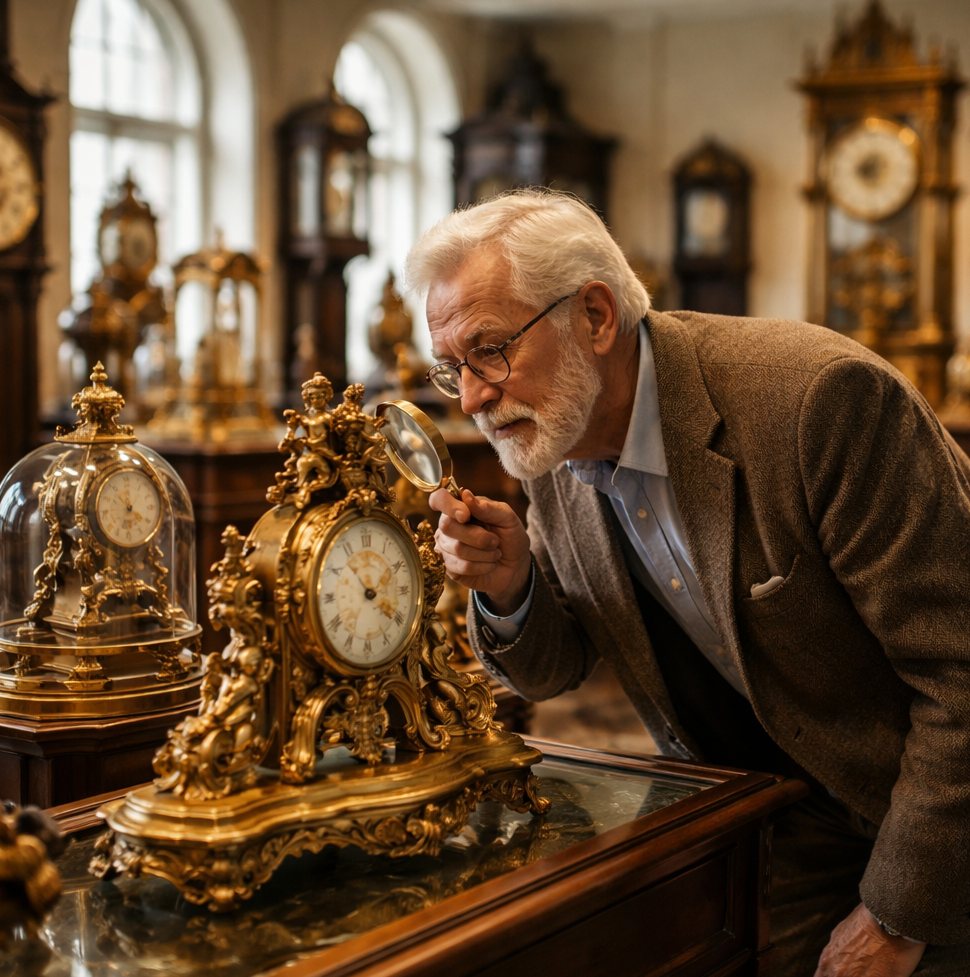
Transitioning to the gallery dedicated to decorative timepieces, the visitor is immersed in the artistic side of horology. From ornate mantel clocks adorned with gilded figures to elegantly crafted pocket watches, these pieces are not merely functional but are exquisite works of art. It’s intriguing to observe the influence of different art movements on clock design, from Baroque extravagance to minimalist modernism.
A Cultural Phenomenon
The museum also explores the cultural impact of clocks and timepieces. Exhibits highlight how the advent of affordable wristwatches democratized timekeeping, changing societal dynamics and personal habits. The section dedicated to military timepieces shows their crucial role in coordinated operations, underscoring the strategic importance of precise timekeeping.
The Watchmaker’s Workshop
A reconstructed watchmaker’s workshop offers a hands-on experience that is both educational and engaging. Here, visitors can observe live demonstrations, where skilled artisans showcase the delicate process of assembling a watch. The meticulous attention to detail required in crafting these tiny machines is awe-inspiring. This interactive exhibit is particularly popular, as it allows for a deeper appreciation of the skill involved in horology.
Modern Innovations
As the tour nears its end, modern innovations in timekeeping are on display. From quartz movements to atomic clock technology, this section reveals how far we’ve come from those early sundials. It sparks discussions among visitors about the future of timekeeping and the potential for new technological breakthroughs.
The museum stands as a beacon to those who wish to understand more about the hidden complexities behind something as ubiquitous as a clock. Each piece encapsulates a moment in history, a snapshot of technological progress. Whether you’re a history buff, an art lover, or simply curious, this museum offers an enlightening experience that challenges the way we perceive time.